
Opening a restaurant without a marketing plan is one of the most common reasons a strong concept fails to fill seats in its first three months. This guide covers the 10 marketing essentials a new restaurant needs in place before opening day — not after.
Quick Summary: The 10 Restaurant Launch Marketing Essentials
- Google Business Profile — fully built out and verified before opening day
- A website built to convert — menu, hours, location, and booking above the fold
- Professional photography — food, interior, and exterior shots ready to publish
- Reservation and delivery integrations — OpenTable, Resy, DoorDash connected to your site
- A pre-launch email list — built before you have a single table to fill
- Local SEO groundwork — so “restaurants near me” searches find you on day one
- A social content calendar — scheduled and ready before the doors open
- A soft-launch Google Ads campaign — small and controlled, not full budget on day one
- Local press and influencer outreach — started 4–6 weeks before opening
- A review-generation system — active from your very first week of service
1. A Fully Optimized Google Business Profile
A Google Business Profile is the single highest-impact marketing asset for a new restaurant, because it’s what shows up first when someone searches your name or searches for restaurants near your location. It needs to be built out and verified before opening day, not after: correct hours, menu, price range, photos, service options (dine-in, takeout, delivery), and the exact category your concept fits under. Restaurants that wait until after opening to build this out lose weeks of visibility they can’t get back.
2. A Website Built to Convert, Not Just Look Nice
A restaurant website’s job is to answer four questions in under five seconds: what do you serve, where are you, when are you open, and how do I book a table. A beautiful website that buries this information under animations or a slow-loading hero video costs you reservations. Menu, hours, location, and a reservation link belong above the fold on both desktop and mobile.
3. Professional Food and Interior Photography
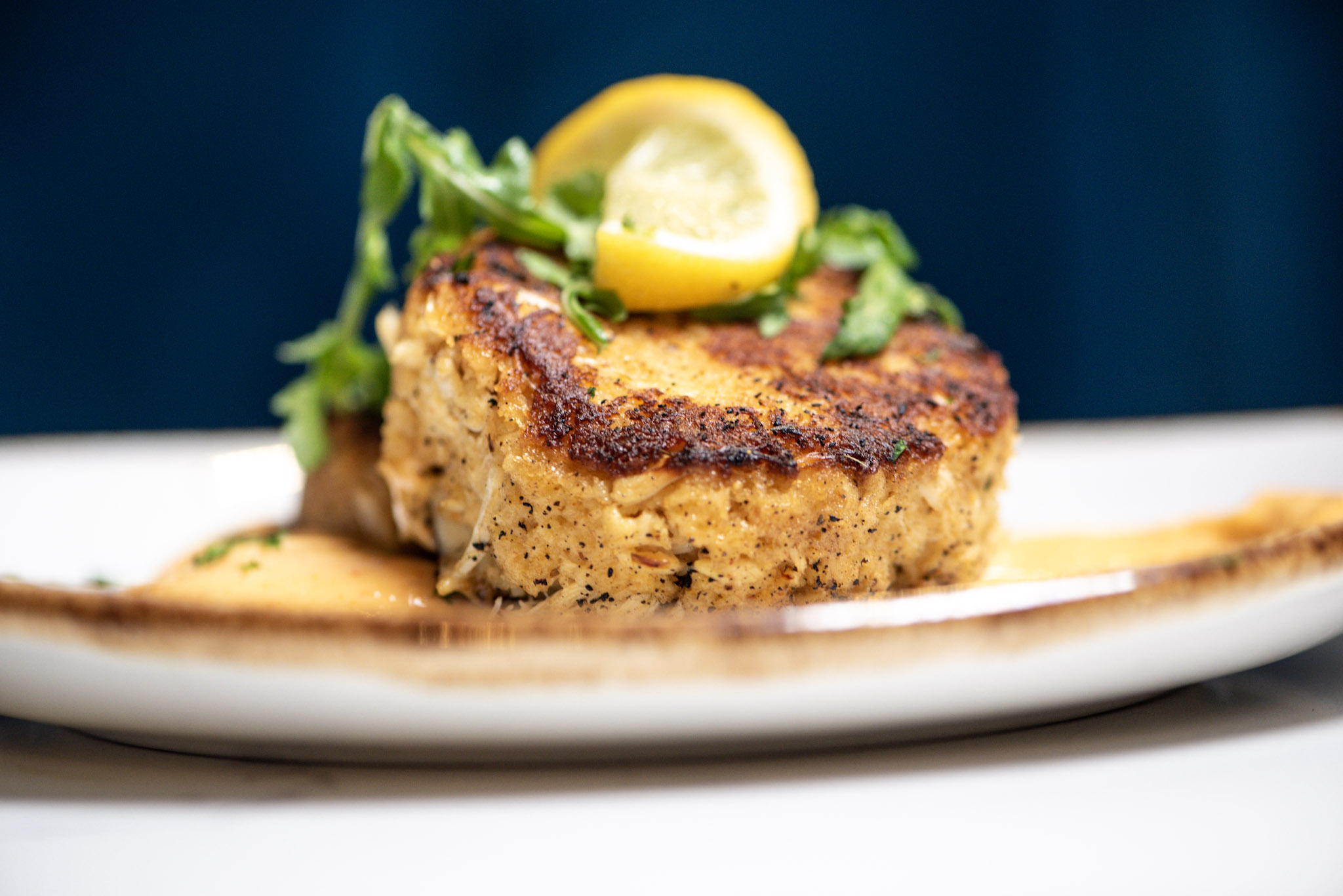
Phone photos of your dishes on opening night are not a substitute for professional photography shot before you open. You need images ready to publish across your website, Google Business Profile, and social channels from day one — not scrambled together during your first busy week. This includes plated food shots, the dining room, the bar, and the exterior signage, since all four get used across different platforms and different purposes.
4. Reservation and Delivery Platform Integration
Guests expect to book or order without leaving your website. OpenTable, Resy, and DoorDash (or whichever platforms fit your concept) need to be connected and tested before opening day, not configured reactively once reservation requests start coming in through phone calls and DMs. A broken or missing booking flow on night one creates a bad first impression that’s hard to undo.
5. A Pre-Launch Email List
The most successful restaurant openings have an email list of interested guests before the doors open, built through a construction-phase landing page, local partnerships, or a soft-launch waitlist. This list becomes the audience for your opening announcement, your soft-launch invitations, and your first slow-Tuesday promotion — an audience you’d otherwise have to build from zero after opening, when you’re already busy running service.
6. Local SEO Groundwork
Local SEO is what determines whether your restaurant shows up when someone searches “best brunch near me” or “[neighborhood] Italian restaurant.” This requires consistent name, address, and phone number information across every directory and platform, local citations, and content that targets your specific neighborhood and cuisine — groundwork that takes time to build authority, so it needs to start before opening, not after.
7. A Social Media Content Calendar
A content calendar scheduled before opening day means your social presence builds anticipation instead of scrambling to post once you’re already in the weeds of daily service. This should cover the construction and buildout phase, a countdown to opening, behind-the-scenes content of the kitchen and team, and a plan for the first two weeks of live posts once you’re open.
8. A Controlled Soft-Launch Google Ads Campaign
Running a full-budget Google Ads campaign on opening day, before you know your actual capacity or true cost per reservation, is a common way to overspend fast. A smaller, controlled soft-launch campaign lets you test messaging, gather real conversion data, and confirm your kitchen and staff can handle the volume before scaling budget up.
9. Local Press and Influencer Outreach
Local food bloggers, city publications, and neighborhood influencers typically need 4–6 weeks of lead time to plan coverage around an opening. Reaching out the week you open is usually too late to land a launch-week feature. An outreach list and a simple press kit — photos, menu highlights, and your story — should be ready well before your first guest walks in.
10. A Review-Generation System From Day One
Your first two to three weeks of reviews set the tone for how your restaurant appears in search results for months afterward. A simple system — a QR code on the receipt, a follow-up text, or a staff prompt at checkout — needs to be active from your very first service, not added later once you notice review volume is thin. Early, authentic reviews compound into stronger local search visibility over time.
Frequently Asked Questions
How far in advance should restaurant launch marketing start?
What is the most important marketing asset for a new restaurant?
Should a new restaurant run Google Ads on opening day?
How do I get press coverage for a restaurant opening?
Planning a restaurant opening in Dallas-Fort Worth? I handle Google Business Profile setup, local SEO, commercial photography, and launch-ready Google Ads campaigns for new restaurants.

Leave a Reply